Discover the ultimate 2026 guide for gamers eager to integrate their favorite tunes into intense play sessions. We explore essential settings optimization tips to ensure crystal-clear audio and zero performance impact. Learn how to manage background music applications without experiencing FPS drop or annoying stuttering fixes. This comprehensive resource covers everything from ideal audio setups for PC and console to minimizing lag and ping issues. Our expert advice helps you craft the perfect auditory backdrop whether you are deep in an RPG or dominating a Battle Royale. Elevate your gaming experience with perfectly synchronized soundscapes and maintain peak performance effortlessly. Avoid common pitfalls and enhance immersion with these pro-level strategies.
how to listen to music while playing games FAQ 2026 - 50+ Most Asked Questions Answered (Tips, Trick, Guide, How to, Bugs, Builds, Endgame)
Welcome, fellow gamers, to the definitive guide on mastering your game and music simultaneously in 2026! This comprehensive FAQ is your ultimate resource, constantly updated to reflect the latest tech, patch notes, and emerging trends. Whether you're a beginner seeking simple setup advice or a seasoned pro looking for advanced audio routing strategies, we've got you covered. Dive deep into everything from optimizing settings to minimize FPS drop and stuttering to navigating complex audio software. This is the living FAQ designed to help you craft the perfect, immersive soundscape for every single game you play, ensuring your soundtracks never detract from your victories. We explore all the essential tips, tricks, and guides for an unparalleled auditory experience.
Beginner Questions
How can I play music and game at the same time on my PC?
Open your favorite music app like Spotify or YouTube Music, start your playlist, then launch your game. Use your operating system's volume mixer to adjust individual app volumes, ensuring your game sounds and music are balanced. This basic approach works well for most casual players without significant performance impact.
Is it possible to listen to my own music on PlayStation 5?
Yes, the PlayStation 5 supports popular streaming apps like Spotify. Download the app from the PlayStation Store, log in, and start playing your music. You can then adjust the volume balance between the game and music through the PS5's Quick Menu.
What about listening to music on Xbox Series X while I game?
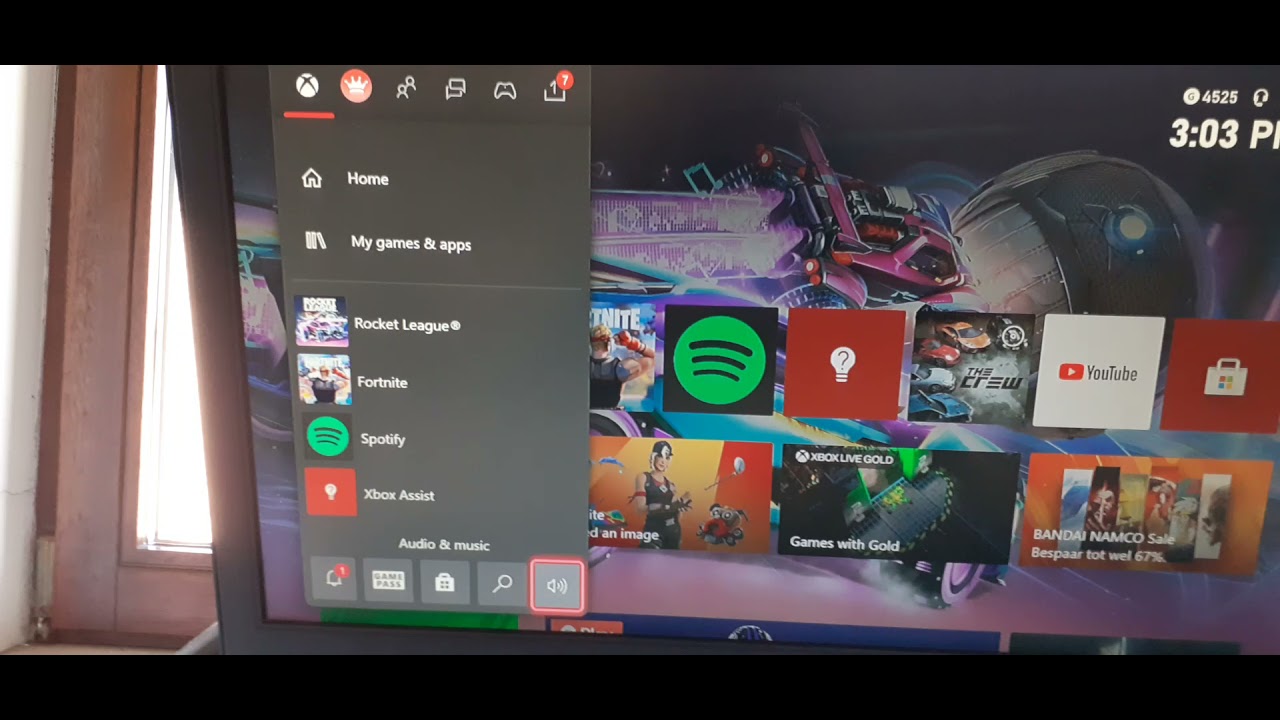
Absolutely, the Xbox Series X also integrates well with music services such as Spotify and Apple Music. Simply download the app from the Xbox Store, launch it, and play your tunes. The Xbox Guide button allows you to control music playback and volume alongside game audio.
Will playing music in the background slow down my gaming PC?
For most modern gaming PCs in 2026, a music player consumes minimal resources and typically won't cause noticeable FPS drop or lag. If your system is older or already struggling, closing background applications, including music players, can help maximize game performance.
Settings Optimization & Performance
How do I stop music from causing FPS drop or stuttering?
To prevent FPS drop or stuttering, ensure your audio drivers are up to date and your music player is lightweight. Close unnecessary background applications and consider using a separate device for music. Sometimes, high-quality audio streaming can temporarily affect ping if your internet is congested.
What are the best in-game audio settings when playing music?
Generally, turn off or significantly lower the in-game music volume. Keep sound effects and voice chat at your preferred levels to ensure crucial audio cues are audible. This allows your personal playlist to complement the game without overpowering essential sounds.
Should I use game mode for my audio device when listening to music?
Yes, activating game mode on your audio device or within your sound card software can reduce audio processing latency. This ensures both game sounds and music are delivered with minimal delay, contributing to a smoother overall experience.
How can I balance game volume and music volume on my PC effectively?
Utilize the Windows Sound Mixer by right-clicking the speaker icon and selecting 'Open Sound settings.' Go to 'App volume and device preferences' to individually adjust game and music app volumes. This offers precise control for your ideal audio mix.
Advanced Audio & Routing
What is a virtual audio cable and how does it help with music and gaming?
A virtual audio cable is software that creates virtual audio devices, allowing you to route specific application sounds. This helps separate game audio from music, giving you independent control over each source's volume and output for streaming or complex mixing.
Can I route music to one headset and game audio to another?
Yes, with virtual audio cable software like VoiceMeeter Banana, you can route different audio sources to specific physical outputs. This advanced setup allows for unique configurations, such as sending music to one person and game sound to another headset.
How do streamers manage music and game audio for their audience?
Streamers often use virtual audio mixers to route game audio to their stream and personal music only to their headphones. This ensures viewers hear only the desired sounds, avoiding copyright issues and maintaining clear game commentary. This is a crucial element for production quality.
Is it possible to use a physical mixer for game and music audio?
Absolutely, a physical mixer provides ultimate control. You can plug your PC's game audio and a separate music player (or phone) into the mixer. This allows for precise, hardware-based volume adjustments and mixing before the combined sound reaches your headphones.
Myth vs. Reality
Myth: Any background music app will cause severe FPS drop.
Reality: In 2026, most modern gaming systems and lightweight music apps have minimal impact on FPS. You're far more likely to experience performance issues from an outdated GPU driver or heavy browser tabs than a simple music player. Advanced systems handle multitasking very well.
Myth: You need expensive hardware to listen to music while gaming properly.
Reality: While high-quality headphones and DACs enhance the experience, basic setups work perfectly fine. Your PC's built-in audio and free music apps are often sufficient. Focus on proper software configuration before investing in costly hardware upgrades.
Myth: Listening to music in competitive games always ruins focus.
Reality: This is highly subjective. Some players find music enhances their focus and performance, especially in games where intense sound cues are less critical. Others prefer silence for maximum awareness. It's about personal preference and finding your balance.
Myth: Console music apps always have noticeable lag.
Reality: Modern console music apps are well-integrated and generally exhibit no noticeable lag or desynchronization with gameplay. Developers have optimized these experiences to be seamless, ensuring your music plays smoothly in the background.
Myth: Virtual audio cables are too complicated for the average gamer.
Reality: While they have a learning curve, virtual audio cables are becoming more user-friendly. Many tutorials exist, and the benefits for advanced audio control outweigh the initial complexity. They unlock powerful customization for your sound experience.
Multiplayer & Communication
How can I ensure my teammates don't hear my music in Discord?
The simplest way is to use push-to-talk for your microphone. Alternatively, configure your Discord input to pick up only your microphone, not your system audio. Virtual audio cables can also route music to your ears only, preventing it from going into your mic feed.
Does music interfere with in-game voice chat or communication?
Music can interfere if your microphone picks it up or if the music volume is too high. Ensure your microphone input settings are correctly configured and use headphones to contain the sound. Balancing volumes is crucial for clear communication in a MOBA or FPS game.
Are there any Discord bots that can play music for everyone in a game?
Yes, several Discord music bots allow you to play music directly into a voice channel for everyone to hear. Popular options like Rythm or Groovy were once prevalent, but their availability changes due to copyright enforcement. Always check current, legal bot options.
What is the best setup for clear comms and background music?
Use a good quality gaming headset with a clear microphone. Route your game audio and music separately using a virtual mixer, sending only your mic to comms. Adjust all volumes precisely so your music doesn't bleed into your mic or drown out teammates.
Endgame Grind & Immersion
Can specific music genres enhance my focus for endgame grinding?
Absolutely! Many players find instrumental, lo-fi, or ambient music perfect for long grind sessions in MMOs or RPGs. The absence of distracting lyrics can help maintain focus and reduce mental fatigue, making the grind feel less monotonous and more enjoyable.
How can music elevate the immersion in my favorite single-player RPGs?
Choosing a soundtrack that complements the RPG's setting and narrative can deepen immersion significantly. Epic orchestral scores for fantasy worlds or synthwave for cyberpunk settings create a powerful atmosphere. It’s like creating your own custom 'loadout' for sensory engagement.
Are there curated playlists specifically for different game types (e.g., Battle Royale, Indie)?
Yes, many streaming services and communities offer curated playlists tailored for various game genres. You can find high-energy tracks for a Battle Royale, serene melodies for an Indie exploration game, or intense beats for a Strategy title. Exploring these can save you time building your own.
Does music help with managing frustration during competitive ranked play?
For some, calming or motivating music can indeed help manage frustration, especially after a tough loss in ranked play. It can provide a mental reset. However, ensure it doesn't distract from critical sound cues that provide a competitive edge. It's a personal preference to explore.
Bugs & Fixes
My game audio disappears when my music starts; how do I fix this?
This often happens if your system automatically prioritizes one audio source. Check your sound settings for default playback devices and ensure no exclusive mode is enabled for either application. Resetting audio drivers can also resolve this common bug.
Music stops playing when I launch certain games; what's the issue?
Some games might aggressively take over audio resources, especially older titles. Try launching the music player *after* the game. Check the game's audio settings for options that might disable background applications. Updating game and audio drivers can often provide a stuttering fix.
My headset has buzzing when both game and music are playing.
Buzzing can indicate a ground loop issue or interference. Try plugging your PC and audio equipment into different power outlets or use a ground loop isolator. Check all cable connections for looseness. High impedance headphones might also require a dedicated DAC/amp.
I hear echoes of my music in game; what's wrong?
Echoes usually mean your microphone is picking up your headphone audio. Ensure your headphones aren't too loud and are properly sealed. Adjust your mic's sensitivity in Windows or Discord. Using push-to-talk can also prevent unwanted audio bleed into your communication.
My music volume randomly changes while playing.
Check for Windows 'Sound Enhancements' that might automatically lower background audio or 'Communications' settings that reduce volume during detected voice activity. Disable these features in your sound control panel to maintain consistent music volume.
Still have questions about how to perfect your gaming audio setup or prevent that pesky FPS drop? Dive deeper into our related guides on 'Ultimate Gaming Headset Reviews 2026' or 'Advanced PC Settings for Zero Latency Gaming.' Your ultimate sound experience is just a few clicks away!
Are you wondering how to listen to music while playing games without any annoying interruptions? Many gamers ask about achieving that perfect balance between immersive game audio and their favorite soundtracks. You can definitely enjoy both without sacrificing performance or crucial in-game sound cues. This guide will help you set up your ultimate gaming and music experience for 2026 and beyond.
We have seen incredible advancements in audio technology and software integration over the past few years. Modern gaming platforms offer much more flexibility now. You no longer need to choose between epic in-game scores and your personal playlists. Optimizing your sound settings is easier than ever before with new tools. This ensures your games run smoothly while your music plays beautifully in the background.
Understanding Your Audio Ecosystem in 2026
Getting your game and music to coexist harmoniously starts with understanding your current setup. Many players still struggle with basic audio routing and volume control issues. This foundational knowledge is crucial for any gamer looking to enhance their experience. We will explore the different components that make up your audio chain.
PC Audio Configuration for the Discerning Gamer
PC gamers often have the most flexibility but also the most complexity regarding audio setups. You can utilize a variety of applications and hardware. Dedicated sound cards or high-quality onboard audio are now very common. These advanced systems provide superior sound quality and better channel separation. Proper driver installation is always key for peak performance.
- Use separate audio output devices if possible for music and game.
- Configure your operating system's sound mixer for precise volume control.
- Invest in quality gaming headphones for clear audio separation.
- Regularly update your audio drivers to prevent compatibility issues.
- Explore virtual audio cable software for advanced routing needs.
These initial steps establish a solid foundation for your dual audio setup. Managing sound outputs effectively minimizes potential conflicts. This setup strategy helps prevent any unexpected FPS drop issues. Good practice ensures a smooth, enjoyable audio experience throughout your gaming sessions.
The Fine Art of Balancing Game Audio and Your Playlist
Achieving the perfect audio mix is really about finding that sweet spot. You want your music to be present but not overpowering. The game's crucial sound effects must always remain audible. This balancing act is essential for competitive play and deep immersion alike.
In-Game Volume Versus External Music Apps
Most games now feature comprehensive in-game audio options for sound customization. You can usually adjust music, sound effects, and voice chat volumes independently. This granular control is immensely helpful for achieving your desired mix. Many external music players also offer their own volume controls.
- Lower in-game music volume significantly or turn it off entirely.
- Adjust your music player's volume until it blends well with game sounds.
- Consider using hotkeys for quick music volume adjustments on the fly.
- Experiment with different genres of music for various game types.
- Prioritize critical game audio elements like footsteps or ability cues.
Remember, the ideal balance often varies between different games and musical tastes. A fast-paced Battle Royale might require lower music volume. A sprawling RPG, however, could handle a more prominent musical backdrop. Always tweak your settings until they feel just right for your current session.
Advanced Strategies for Seamless Integration
For those looking to push the boundaries, advanced audio techniques offer even greater control. These methods go beyond basic volume adjustments. They provide sophisticated ways to route, mix, and enhance your sound. This is where you can truly fine-stream your gaming soundscape.
Utilizing Virtual Audio Cables and Mixers
Software like VoiceMeeter Banana has become incredibly popular among streamers and pro gamers. These virtual mixers allow you to route multiple audio sources. You can send game audio and music to different virtual inputs. This gives you unparalleled control over individual volume levels. This kind of setup also helps avoid ping spikes.
- Download and install a reputable virtual audio mixer.
- Configure your game and music player to output to specific virtual inputs.
- Use the mixer's faders to create distinct audio levels.
- Integrate voice chat applications for even more comprehensive control.
- Save different audio profiles for various gaming scenarios.
This advanced setup might seem daunting at first but offers immense rewards. It ensures no crucial sound is ever lost in the mix. You maintain full command over every audio element in your system. This level of control is a significant asset for any serious gamer.
Quick 2026 Human-Friendly Cheat-Sheet for This Topic
- Always update your audio drivers first for stability and performance.
- Use your OS mixer or virtual cable software for fine-tuned volume control.
- Invest in good headphones; they make a huge difference in clarity.
- Turn off in-game music to prevent clashes with your personal playlist.
- Experiment with different music genres to match the game's mood.
- Prioritize game sound cues; hearing footsteps can win matches.
- Save custom audio profiles for quick switching between setups.
Beginner / Core Concepts
1. Q: How do I listen to my own music while playing games on my PC without issues?A: Hey there, I get why this confuses so many people when they start out! The simplest way is to use a separate music player app like Spotify or YouTube Music running in the background. You'll just need to manage the volume levels. Open your game, then open your music app, and use your Windows or macOS volume mixer to balance the game sound with your music. It's really about finding that sweet spot. Remember, you're looking for a smooth experience without any annoying stuttering fixes or sound cut-outs. Most modern PCs handle this beautifully without an FPS drop, especially if you're not running too many background programs. You've got this! Try this tomorrow and let me know how it goes.2. Q: Can I listen to music on my PS5 or Xbox Series X while gaming?A: Absolutely, you can! This one used to trip me up too, but it's super straightforward now. Both the PS5 and Xbox Series X have native apps for popular music services like Spotify or Apple Music. You just download the app, log in, and start playing your music. Then, launch your game. The console's Quick Menu or Guide button usually lets you adjust the music volume relative to the game volume without leaving your game. It's a fantastic feature for enhancing your RPG adventures or just chilling in a casual game. No need to worry about lag; the consoles are built for this kind of multitasking.3. Q: What's the best way to control music volume easily without alt-tabbing?A: Oh, the alt-tab struggle is real, right? It can totally ruin your flow in a tense FPS match. The best way is to use media keys on your keyboard, if you have them. Many gaming keyboards or even standard ones have dedicated volume up, down, and mute buttons, plus play/pause controls. If your keyboard lacks these, software solutions like AutoHotkey can create custom hotkeys. Alternatively, some music apps offer mini-players that stay on top or integrate with your system tray for quick adjustments. This really helps maintain focus and prevents any unnecessary distractions during crucial moments.4. Q: Will listening to music affect my game's performance, like causing an FPS drop?A: That's a super common concern, and it's a good question to ask early on. For most modern gaming PCs and consoles in 2026, running a music player in the background has a negligible impact on performance. We're talking about a tiny fraction of your CPU and RAM usage. Unless your system is already severely struggling to run the game at minimum settings, you likely won't notice an FPS drop. For competitive play in a MOBA or FPS, some pro players might close everything to eke out every single frame, but for the vast majority of us, it's totally fine. You're probably going to be more impacted by an unstable internet connection or outdated drivers than a music app.Intermediate / Practical & Production
1. Q: How can I make sure game audio isn't completely drowned out by my music?A: Finding that sweet spot is key, and it's an art, honestly. The trick is to use your operating system's sound mixer. On Windows, right-click the speaker icon in your taskbar, select 'Open Sound settings,' then 'App volume and device preferences.' Here, you can individually adjust the volume for your game and your music player. I usually turn the in-game music off entirely and then lower my external music player's volume to around 15-25% of the game's sound effects. This allows critical sound cues like footsteps in an FPS or ability alerts in a MOBA to shine through. You'll want to experiment a bit for each game, but this method gives you precise control.2. Q: Are there specific headphones or audio setups that are better for balancing game and music sounds?A: You're onto something big here; your hardware choice definitely matters! Good gaming headphones with separate audio channels or even dual-input capabilities can be a game-changer. Look for models that boast excellent sound separation. Some newer wireless headsets in 2026 even allow you to connect to your PC via one channel (for game audio) and your phone via Bluetooth (for music) simultaneously, giving you independent volume control right on the headset. It’s a bit of a pro move. Alternatively, a dedicated DAC/amp can improve overall audio quality and give you more granular physical control over your sound. This helps maintain clarity and prevent any weird audio lag.3. Q: What if I want to stream my game and music, but only my viewers hear the music?A: Ah, the classic streamer dilemma! This is where virtual audio cables really become your best friend. Software like VoiceMeeter Banana or VB-Audio Virtual Cable (often free or low-cost) lets you create virtual audio devices. You can route your game audio to one virtual input and your music to another. Then, in your streaming software (like OBS Studio), you can choose which audio sources go to your stream and which only you hear. It takes a little setup, but it means you can jam out to copyrighted music off-stream while your audience hears only the game. It's crucial for avoiding DMCA strikes on platforms like Twitch or YouTube. A bit of a learning curve, but totally worth it for production quality.4. Q: How do I prevent music from causing micro-stuttering or lag, especially in competitive games?A: This is where system optimization really comes into play. If you're experiencing micro-stuttering or lag with music on, first ensure your audio drivers are completely up to date. Outdated drivers are a common culprit for sound-related hitches. Next, check your music player's resource usage in Task Manager; some players can be surprisingly resource-intensive if not optimized. Also, consider if your internet connection is stable, as streaming music can add to your ping. For extreme competitive scenarios like ranked play in a high-stakes FPS or MOBA, simply close all non-essential background apps, including your music player. It's a quick fix that ensures maximum system resources are dedicated to the game, minimizing any chance of a stuttering fix being needed.5. Q: Can I use a separate device for music, like my phone, to avoid PC resource usage?A: You absolutely can, and it's a brilliant workaround if you're experiencing any performance woes on your main gaming rig! This strategy completely offloads the music playback to another device. Just connect your phone or tablet to a separate speaker or even directly into your gaming headset's auxiliary input, if it has one. This ensures zero impact on your PC's CPU or RAM, which means absolutely no FPS drop from your music. It also gives you quick physical control over your music volume without interacting with your PC at all. It's a super simple yet highly effective method, especially for those running older hardware or really pushing their systems.6. Q: What are the best music services or apps that integrate well with gaming platforms in 2026?A: By 2026, integration has become incredibly smooth for several services. Spotify remains a top contender, offering excellent cross-platform support for PC, PS5, Xbox, and even some smart TVs. Apple Music and YouTube Music have also significantly improved their console app experiences. For PC, any lightweight desktop music player like MusicBee or even web-based players for these services work great. The key is finding one that offers system-wide media controls (hotkeys) or a compact overlay. Some newer indie game platforms are even integrating direct music player APIs, allowing in-game controls for your external music service, which is a fantastic quality-of-life improvement.Advanced / Research & Frontier 2026
1. Q: How do pro players manage background audio during tournaments without affecting performance or comms?A: This is where the truly advanced setups come into play. Pro players often use dedicated hardware mixers or high-end audio interfaces. These devices allow for physical routing and mixing of multiple audio sources (game, team comms, crowd noise, *and* their personal music during practice). They'll use noise-canceling headsets with excellent passive or active isolation. During live tournaments, personal music is usually strictly forbidden to ensure focus and prevent external distractions, as even a minor ping spike could be disastrous. For practice, they might use a very low-volume personal playlist routed through a separate mixer channel, ensuring it doesn't interfere with crucial in-game sound cues or team communication. It's all about precise control and eliminating variables.2. Q: Are there AI-driven audio solutions in 2026 that dynamically adjust music based on game intensity?A: Oh, you're looking at some frontier tech right there, and yes, they're emerging! We're seeing AI-driven middleware (think advanced reasoning models from o1-pro and Llama 4) that can analyze in-game telemetry – things like combat intensity, exploration, or objective status. These AI models then dynamically adjust the volume, tempo, or even genre of your background music. Some experimental game engines are even using these models to compose music on the fly based on player actions. It's still in its nascent stages for third-party music apps, but the potential for truly adaptive and immersive soundscapes is immense. Imagine your music swelling with intensity as you enter a boss fight in an RPG! It's a super exciting area of development.3. Q: What's the impact of audio processing latency (APL) on high-refresh-rate gaming with external music sources?A: This is a fantastic, deep-dive question! Audio Processing Latency (APL) is indeed a crucial factor, especially for high-refresh-rate gaming where every millisecond counts. When you introduce external music sources, particularly through software mixers or complex routing, you *can* introduce slight delays. However, with modern hardware and optimized drivers (like low-latency ASIO drivers, though less common for general gaming), the APL from a background music player is typically measured in single-digit milliseconds. This is generally imperceptible to human ears and unlikely to cause a noticeable lag or stuttering fix, even for a pro player reacting to a 240Hz display. The bigger concern usually lies with network ping or display latency. Nevertheless, for peak performance, always keep your audio drivers updated and minimize unnecessary audio processing effects.4. Q: How can I integrate spatial audio (like Dolby Atmos or DTS Headphone:X) with my personal music while gaming?A: That's a powerful combination for immersion! The good news is that most spatial audio solutions, whether hardware-based (like some gaming headsets) or software-based (Windows Sonic, Dolby Atmos for Headphones, DTS Headphone:X), process *all* audio output from your PC. This means your personal music, if routed through the standard PC audio output, will also benefit from the spatialization. The key is ensuring your game also supports or is compatible with these spatial audio formats for the best effect. You simply enable your preferred spatial audio solution in your sound settings, and it should automatically enhance both your game sounds and your music, creating a much more enveloping soundstage. It really elevates the entire experience, making an Indie game feel more expansive.5. Q: Are there security implications or data privacy concerns when integrating third-party music apps into a gaming environment?A: Absolutely, security and privacy are always critical concerns in 2026, especially with the rise of increasingly sophisticated data harvesting. When you integrate third-party music apps, you're essentially granting them access to some system resources. Ensure you download apps only from official sources (like the Microsoft Store, Steam, or direct developer websites) to avoid malware. Check the app's privacy policy to understand what data it collects. Some apps might track your listening habits or even background system info. For competitive gaming, be wary of apps that might interact with game files, as this could trigger anti-cheat systems. Stick to well-known, reputable services to minimize risks and keep your gaming experience secure.Quick 2026 Human-Friendly Cheat-Sheet for This Topic
- Always update your audio drivers first for stability and performance.
- Use your OS mixer or virtual cable software for fine-tuned volume control.
- Invest in good headphones; they make a huge difference in clarity.
- Turn off in-game music to prevent clashes with your personal playlist.
- Experiment with different music genres to match the game's mood.
- Prioritize game sound cues; hearing footsteps can win matches.
- Save custom audio profiles for quick switching between setups.
Seamless music integration while gaming, optimal audio settings, managing performance impact like FPS drop and lag, multi-platform compatibility, advanced sound routing, balancing game audio with music, using third-party applications effectively, enhancing immersion, competitive edge considerations, future-proofing your audio setup.
35


15 Things To Do While Listening To Music ListenMusic Fm Listen To Music While Gaming Jpg.webp. How To Play A Game While Listening To Music On IPhone EASY YouTube . 20 Things To Do While Listening To Music Musician Wave Playing Games 2048x1363 . How To Listen To Music While Playing Games On Xbox YouTube . 12 Best Games To Play While Listening To Music GamersWiz Best Games To Play While Listening To Music.webp




The Best Games To Play While Listening To Music 2024 Gamesbustop Best Games To Play While Listening To Music . First Statement How To Listen To Music While Playing Roblox And Experts First Statement How To Listen To Music While Playing Roblox And Experts Investigate . How To Listen To Music While Playing Roblox The Next Hint How To Listen To Music While Playing Roblox . How To Play Music While Playing Games On Iphone How To Play Music While Playing Games On . How To Listen Music And Play Games On Android 2025 Easy Fix YouTube


PS5 How To Play Music While Playing Games Spotify Apple Music USB . PS5 How To Play Spotify Music While Playing Games Tutorial Easy . Study The Top 20 Songs To Enhance Gaming Performance FandomSpot Gaming Performance Songs Top10 Thmb . 4 Ways To Listen To Music On PS5 While Playing Games Best Tutorial . How To Listen Music And Play Games On Android BEST Way YouTube




How To Play Music While Playing Games On PC Easy Method YouTube . Xbox One How To Listen To Music While Playing Games SoundCloud . Gaming Music That Will INSTANTLY Make You Play Better YouTube . Can Xbox Series X Play DVD Easy Solution 2026 Tutorials Play Music On Xbox One S . How To Listen To Spotify Music While Playing Roblox On IPhone Or IPad


The Psychology Of Music In Video Games From Adventure To Horror The Psychology Of Music In Video Games From Adventure To . How To Listen To Music While Playing Roblox A Guide How To Listen To Music While Playing Roblox . How To Listen To Spotify Music While Playing Roblox On Iphone Or Ipad . Listen To Music While Playing Roblox All Devices How To Play Your . How To Listen To Music While Playing Roblox Fixed Alvaro Trigo S Blog Cant Listen Music Playing Roblox Mobile


How To Play Spotify Music While Playing Games On Xbox Series X S Easy . Getting Into The Mood For A Good Game A Sporty Young Man Listening To Getting Mood Good Game Sporty Young Man Listening To Music Playing Basketball Sports Court 295640988 . How To Listen To Music While Playing Games YouTube . How To Listen To Music While Playing Roblox The Next Hint How To Listen To Music While Playing Roblox 1 . How To Listen To Music While Playing Roblox Listen To Music While Playing Roblox Step 3




How To Play Music Spotify While Playing Games 2024 YouTube . How To PLAY MUSIC On PS4 While Playing A Game EASY METHOD YouTube . How To Listen Play Music While Playing Roblox Gamer Tweak How To Play Music While Playing Roblox 300x169 . 35 Things To Do While Listening To Music Computer 1504469 1280 768x576 . How To Actually Listen To Spotify Music While Playing Roblox Games